
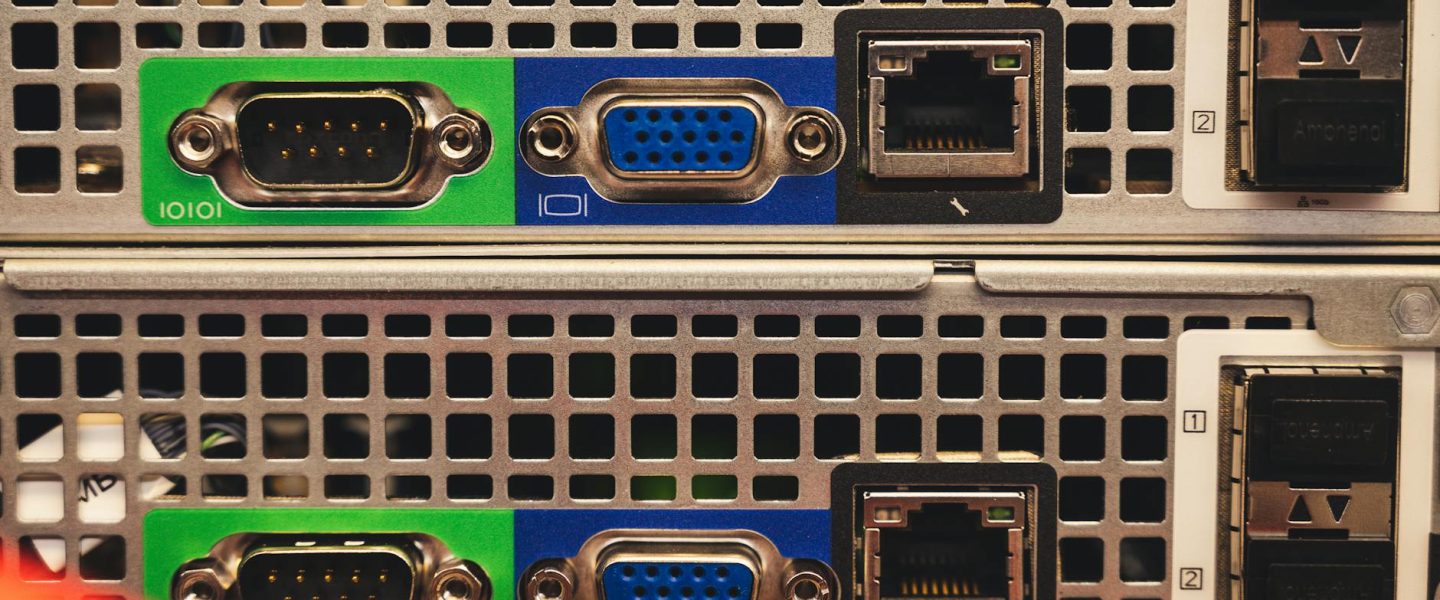
It doesn’t matter much that you work with the best cloud providers if, in the end, everything depends on the hardware underneath. When that hardware fails, the cloud provider promises you a system that prevents data loss: the load balancer redirects requests to another instance, and all of this happens in real time without losing a single second. But if what fails is a component you have no visibility into (because the cloud’s structure and management is handled by the company you’ve hired), you become entirely dependent on how fast they respond, and that’s when seconds turn into minutes, minutes turn into hours, and your messages start piling up while you wait for “someone” to give you some good news. It doesn’t matter that they promised you a redundant, highly-available infrastructure with a 99.999% SLA: when something you can’t see fails (and it can be several things at once) any given minute turns into hours of suffering while you wait for an answer about something that, in theory, shouldn’t happen.
The cloud was sold to us as “the solution to all our problems, combined with cost reduction”, the FSF made it clear to all of us: “the cloud is just someone else’s computer”, and yet we still believe that having a cloud with hundreds of systems spread across several data centers will save us if one of those data centers goes down. All that distribution only reduces their resolution time — not your downtime.
Next: hardware ages, and it ages fast. Few of you will have a hard drive in constant use for more than 10 years. We were told DVDs would store information for more than 600 years, yet they barely last 8. Hard drives: the more moving parts they have, the less they last. SSDs are faster and die more quietly. Processors go through more tests, more validation stages before being classified, so they tend to last considerably longer, but RAM chips are extremely sensitive; a single voltage spike and you’ve got a useless module. With a dead RAM module, the motherboard won’t even boot, so you’re left with a brick until you track down the broken part and replace it.
We’re left with hardware that’s expensive (by speculation, hype, rising demand, and new software that consumes 100 times more resources than it did 10 years ago while performing worse), more fragile, with a fast obsolescence you can watch age badly, and with AI, no amount of hardware is ever enough.
I’m not even going to get into what’s happening with graphics cards, that market is wildly overvalued, fueled by AI, cryptocurrency, and games demanding “pure-real-8K-raytracing”. Those of us who just want to play some silly game every now and then have been left behind. Any recent game needs an RTX with at least 4000 CUDA cores if you want a character’s 2D shadow to look “realistic”.
Hardware can be the most powerful in history, but it has also become a disposable luxury accessory: a 10-year-old computer is basically a paperweight by now… and I’m not saying you can’t own an old computer, just that you wouldn’t use it as a critical production server, because you know it will fail exactly when you least expect it. And if, on top of that, that server is “in the cloud” managed by a third party, you’re far more vulnerable than you think, whether it’s Amazon, Google, Microsoft or OVH behind it, and no matter how -ultra-premium-business-pro- your support plan is. If the hardware fails, you’d better have a backup ready to spin up a clone fast.







Join the Sinologic community
Create your free account and join the conversations about VoIP, Asterisk, Kamailio and IP telephony.
Have you tried it?
Your experience is more valuable than you think.